Havan Kundहवन कुण्ड
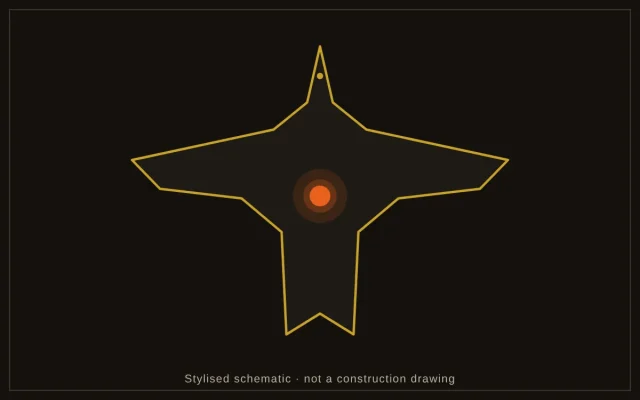
Śyena-citi – the falcon altarश्येनचिति
Śyenaciti
Documented Vedic altarप्रलेखित वैदिक वेदीDraft – awaiting expert reviewप्रारूप – विशेषज्ञ समीक्षा हेतु लम्बित
An optional (kāmyāgni) brick altar described as a falcon or hawk.एक वैकल्पिक (काम्याग्नि) ईंट-वेदी जिसे बाज़ (श्येन) बताया गया है।
Description & scriptural contextवर्णन व शास्त्रीय सन्दर्भ
Sundareswaran, citing the Taittirīya Saṃhitā, lists this altar as a falcon or hawk, with the desired object 'heaven'. Sundareswaran says the optional altars share the area of the standard Śyena altar (7½ square puruṣas) but differ in shape. It is called the standard form of an optional fire altar. In the Agnicayana the bird-shaped brick altar is the central construction; Huffman & Thuong mentions a bird altar of 1005 bricks built over 12 days, and Wikipedia's Vedi article cites excavated examples at Purola and Kosambi.
सुन्दरेश्वरन, तैत्तिरीय संहिता के हवाले से, इस वेदी को बाज़ (श्येन) सूचीबद्ध करता है, और अभीष्ट 'स्वर्ग' बताता है। सुन्दरेश्वरन के अनुसार वैकल्पिक वेदियाँ मानक श्येन वेदी (7½ वर्ग-पुरुष) के समान क्षेत्रफल की होती हैं पर आकार भिन्न होते हैं। इसे वैकल्पिक अग्निवेदी का मानक रूप कहा गया है। अग्निचयन में पक्षी-आकार ईंट-वेदी केन्द्रीय निर्माण है; हफ़मैन व थुओंग 12 दिन में बने 1005 ईंटों की पक्षी-वेदी का उल्लेख करता है, और विकिपीडिया का Vedi लेख पुरोला व कौशाम्बी के उत्खनित उदाहरण उद्धृत करता है।
Construction & measurementsनिर्माण व माप
Sundareswaran states that the optional (kāmyāgni) altars share the area of the standard Śyena-citi – 7½ square puruṣas – while differing in shape. Brick counts, layer counts and rope procedures are not reproduced here because we have not checked them against a critical edition.
सुन्दरेश्वरन के अनुसार वैकल्पिक (काम्याग्नि) वेदियों का क्षेत्रफल मानक श्येनचिति के समान – 7½ वर्ग-पुरुष – रहता है, आकार भिन्न होते हैं। ईंट-संख्या, स्तर-संख्या और रज्जु-विधि यहाँ नहीं दी गई क्योंकि हमने इन्हें किसी समीक्षित संस्करण से नहीं मिलाया।
Ritual context & fire safetyअनुष्ठान-सन्दर्भ व अग्नि-सुरक्षा
Agnicayana-type altars are built and used only in large, supervised rituals. This page is educational; it is not a construction guide.
अग्निचयन-प्रकार की वेदियाँ केवल बड़े, पर्यवेक्षित अनुष्ठानों में बनती हैं। यह पृष्ठ शैक्षिक है, निर्माण-निर्देशिका नहीं।
Traditional significance (tradition, not evidence)पारम्परिक महत्त्व (परम्परा, प्रमाण नहीं)
The source lists the desired object as 'heaven'. This is the ritual text's stated purpose – a traditional claim – and is not evidence of any real-world effect.
स्रोत अभीष्ट 'स्वर्ग' बताता है। यह ग्रन्थ का घोषित उद्देश्य – पारम्परिक दावा – है, किसी वास्तविक प्रभाव का प्रमाण नहीं।
Uncertainty & disputed pointsअनिश्चितता व विवादित बिन्दु
Shape described in words by the sources; the drawn outline is a schematic.
स्रोत शब्दों में आकार बताते हैं; बनाया गया रेखाचित्र योजनात्मक है।
References & bibliographyसन्दर्भ व ग्रन्थ-सूची
- Scholarly / institutionalविद्वत् / संस्थागत Śulbasūtra-s: the source book of Vedic Geometry — N. K. Sundareswaran (Dept. of Sanskrit, University of Calicut) open sourceस्रोत खोलें
- Scholarly / institutionalविद्वत् / संस्थागत Ancient Indian Rope Geometry in the Classroom – Fire Altars of Ancient India — Cynthia J. Huffman and Scott V. Thuong open sourceस्रोत खोलें
- Encyclopedic (secondary)विश्वकोशीय (द्वितीयक) Vedi (altar) — Wikipedia contributors open sourceस्रोत खोलें
- Encyclopedic (secondary)विश्वकोशीय (द्वितीयक) Agnicayana — Wikipedia contributors open sourceस्रोत खोलें
- Encyclopedic (secondary)विश्वकोशीय (द्वितीयक) Shulba Sutras — Wikipedia contributors open sourceस्रोत खोलें
Relatedसम्बन्धित
Śrauta altar (vedi / citi)श्रौत वेदी (वेदि / चिति)
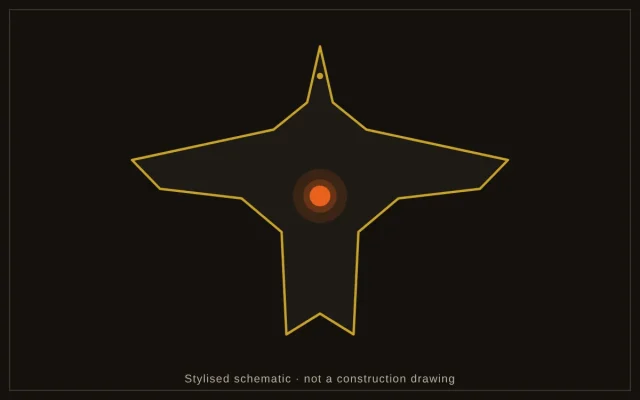
Kaṅka-citi – the heron altarकङ्कचिति
An optional (kāmyāgni) brick altar described as a heron (kaṅka).एक वैकल्पिक (काम्याग्नि) ईंट-वेदी जिसे बगुला/कङ्क पक्षी बताया गया है।
Śrauta altar (vedi / citi)श्रौत वेदी (वेदि / चिति)
Alaja-citi – an Alaja-bird altarअलजचिति
An optional (kāmyāgni) brick altar described as a kind of bird (alaja).एक वैकल्पिक (काम्याग्नि) ईंट-वेदी जिसे अलज नामक पक्षी बताया गया है।
Śrauta altar (vedi / citi)श्रौत वेदी (वेदि / चिति)
Uttaravedi – the northern altarउत्तरवेदी
A raised altar associated with the Soma sacrifice; in the Agnicayana it is built of bricks in falcon form.सोम-यज्ञ से जुड़ी उठी हुई वेदी; अग्निचयन में यह ईंटों से बाज़ के आकार में बनती है।
Śrauta altar (vedi / citi)श्रौत वेदी (वेदि / चिति)
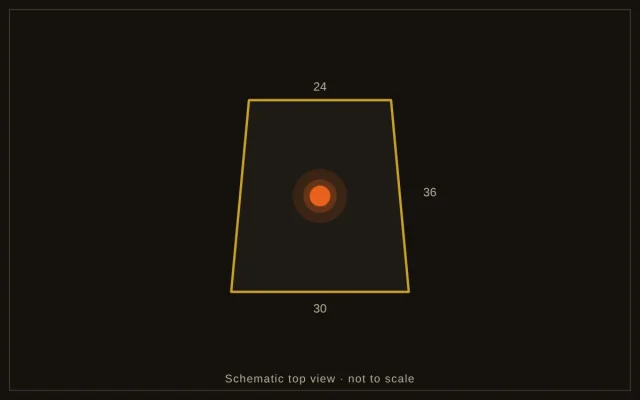
Mahāvedi – the Great Altarमहावेदी (सौमिकी वेदि)
The large ritual ground of the Soma sacrifice, described as an isosceles trapezium.सोम-यज्ञ की विशाल यज्ञ-भूमि, जिसे समद्विबाहु समलम्ब चतुर्भुज बताया गया है।